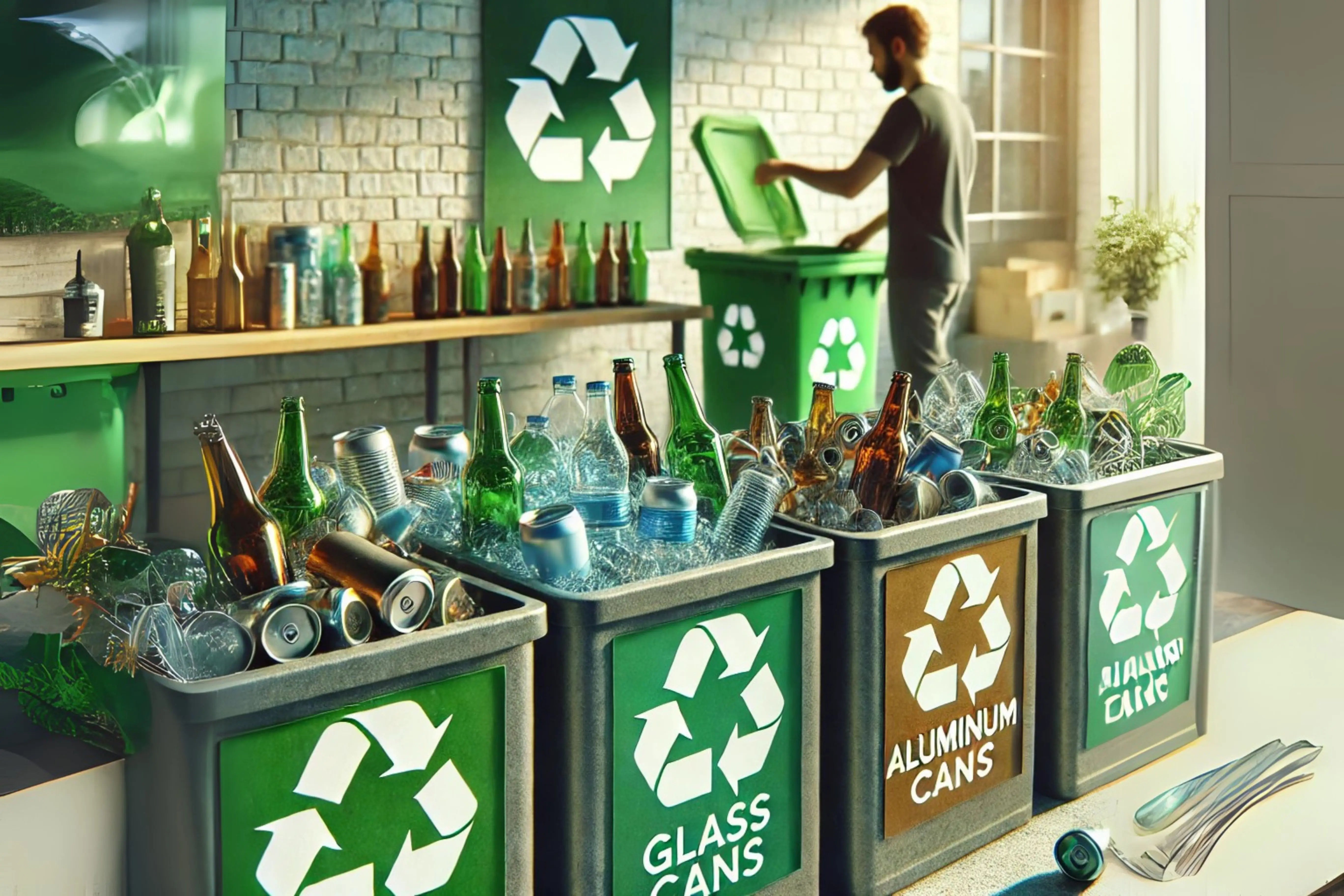

You rinse your empty plastic water bottle and toss it in the curbside recycling cart — job well done, right? But what about the cap?
The reality is, the recycling process for bottle caps isn’t always straightforward. Different materials, outdated advice, and regional variations in recycling collection programs create a lot of confusion. Are plastic bottle caps and metal bottle caps recyclable? Should you leave them on or take them off?
This guide breaks it all down so you can recycle smarter — and do your part in building an accessible recycling future.
Are Bottle Caps Recyclable? (The Short Answer)
Yes — but with conditions.
- Plastic bottle caps are generally recyclable material, especially when placed back on the bottle.
- Metal caps, like those on beer bottles, are also recyclable, but they need to be contained properly.
- Mixed-material caps (like pump tops) are a different story — more on that below.
Whether you're recycling beverage bottles, butter containers, or even coconut water containers, knowing how to handle the cap can make or break your efforts.
Why There’s So Much Confusion About Bottle Cap Recycling
There’s a good reason most people still aren’t sure if bottle caps are recyclable. For years, recycling centers advised removing caps because:
- They were loose plastic caps that could jam sorting equipment
- The different plastic items (cap vs. bottle) complicated sorting
- High contamination levels threatened the integrity of the paper stream or commodity-grade materials
But now? Most materials recovery facilities (MRFs) — and especially single-stream recycling programs — have updated their capabilities.
Plastic Bottle Caps
What Are They Made Of?
Most plastic bottle caps that you can see are made from polypropylene (PP, resin code #5) or high-density polyethylene (HDPE, #2) — different from the PET plastic used for the bottle itself. These high-density materials are durable and widely used for everything from deli containers to container lids.
Should You Leave Plastic Caps On?
Short answer: Yes, leave the cap on.
- Crushing the plastic bottles and screwing the cap back on prevents them from falling through sorting screens at the MRF.
- This practice is now accepted by most curbside recycling programs across the U.S.
Some recycling giants even prefer caps-on to reduce contamination and improve the business of recycling overall.
What About Loose Plastic Caps?
Loose caps = bad news. They often get lost in transport, fall through screens, or contaminate other collection containers like cardboard boxes or the paper carton stream.
Metal Bottle Caps
What Are They Made Of?
Metal caps come in a few varieties:
- Steel caps (often magnetic)
- Aluminum caps (non-magnetic)
- Caps on beer bottles, drink containers, and glass jars
These are valuable recycled materials, sometimes even containing trace precious metals or usable scrap metal value.
Guidelines for Metal Caps
The best way to recycle metal lids or caps is to:
- Collect them in an empty steel can
- Once the can is mostly full, crimp it shut
- Toss it into your curbside recycling cart
This keeps them from being lost in the sink process — where small items drop out of the system and end up in landfills.
Avoid putting caps on beer bottles directly into your bin — they’re too small to be captured loose.
Alternative Option: Scrap Metal Dealer
For large volumes, your local scrap metal dealer may take them, especially if you’re a diligent recycler collecting over time.
Specialty Caps: Pumps, Sprayers, Corks & More
Pump and Spray Tops
These typically contain a mix of plastic items, metal springs, and even rubber, making them nearly impossible to process in a standard material recovery facility.
Best practice:
- Remove the pump or sprayer
- Recycle the plastic container or bottle
- Trash the top — unless your area has specialty programs
Corks
- Natural corks: Compostable (not recyclable)
- Synthetic corks: Not accepted curbside but can be mailed to specialty programs like ReCork
Other Non-Recyclable Cap Types
- Flip-tops with built-in spouts
- Caps with foil or hazardous materials residue
- Caps from automotive products or household products
When in doubt, toss them — don't risk cross-contamination.
How to Recycle Bottle Caps the Right Way
Here’s a quick breakdown to make recycling bottle caps easier:
For Plastic Caps:
- Rinse bottle and cap
- Crush the bottle
- Screw the cap back on
- Place in curbside recycling collection
For Metal Caps:
- Collect in a steel can
- Seal the can when full
- Place it in your bin
For Other Caps:
- If it’s made of mixed or unknown material — trash it or look for specialty bottle cap recycling locations
Want to go deeper? Use online tools like Earth911 to find the closest city with advanced cap recycling services.
Environmental Impact of Bottle Caps
Based on Ocean Conservancy's 2025 report, caps are among the top plastic items found in ocean cleanup efforts.
Because of their small size, they’re easily ingested by wildlife — and they don’t break down quickly. Even something as tiny as a cap adds to the global plastic crisis when improperly disposed of.
Recycling right isn’t just a personal win — it feeds the demand for recycling, helps recycling plants produce clean, commodity-grade materials, and reduces landfill pressure.
Alternatives & Waste-Reduction Tips
- Choose beverage containers with recyclable or compostable closures
- Support brands that use single-compartment trucks or dual-stream recycling processes
- Reuse caps for crafts, DIY scoops, or upcycled garden projects
- Avoid products with non-recyclable closures whenever possible
FAQs
Q: Can I recycle caps without the bottle?
A: Usually no — loose plastic caps fall through sorting systems. Always leave them on.
Q: Should I leave caps on glass bottles like beer or wine?
A: No. Instead, collect metal caps in a steel can for proper recycling.
Q: Are caps from PET bottles recyclable?
A: Yes, and they should stay attached to the PET bottle.
Q: What about caps on a container of mayonnaise or butter tubs?
A: Most are recyclable, but double-check your local recycling center guidelines.
Q: Is there a difference between single-stream and dual-stream rules?
A: Yes. In single-stream recycling, caps-on is more accepted. In dual-stream, it may vary based on how materials are separated.
Conclusion
So — are bottle caps recyclable? Absolutely, as long as you follow best practices and understand the materials.
Caps-on plastic bottles, metal caps contained, and mixed-material caps trashed — that’s the formula for smarter recycling.
Take action:
Check your local recycling facility rules, make it a habit to recycle caps properly, and stay committed to building a cleaner, greener future.
Want more packaging and recycling insights? Visit The Bottle Depot — your trusted source for recyclable containers and expert advice.